
-
Daiwa 2026 BG SW 6000-H Saltwater Spinning Reel
Regular price $199.99Regular price -
Daiwa Legalis LT Spinning Reel – Lightweight Freshwater & Inshore Reel
Regular price From $73.99Regular price -
Daiwa Free Swimmer EX 10000 Bite N' Run Spinning Reel
Regular price $299.99Regular price$0.00Sale price $299.99 -
Abu Garcia Beast Spinning Reel 3000–5000
Regular price From $229.95Regular price -
Pflueger Monarch 35 Spinning Reel MON35X – 1645559
Regular price $43.99Regular price$49.99Sale price $43.99Sale -
Pflueger Monarch 30 Spinning Reel MON30X – 1645417
Regular price $43.99Regular price$49.99Sale price $43.99Sale -
Pflueger Monarch 25 Spinning Reel MON25X – 1645415
Regular price $43.99Regular price$49.99Sale price $43.99Sale -
Pflueger Supreme 40X Spinning Reel SUPSP40X – 1652024
Regular price $149.95Regular price$0.00Sale price $149.95 -
Pflueger Supreme 35X Spinning Reel SUPSP35X – 1652023
Regular price $149.95Regular price$0.00Sale price $149.95 -
Pflueger Supreme 30X Spinning Reel SUPSP30X – 1652022
Regular price $149.95Regular price$0.00Sale price $149.95 -
Daiwa 2026 BG LT 4000 SW Spinning Reel – 26.4 lb Drag
Regular price $179.99Regular price -
Pflueger Supreme 25X Spinning Reel SUPSP25X – 1652021
Regular price $149.95Regular price -
Pflueger Supreme XT 40X Spinning Reel SUPXTSP40X – 1652020
Regular price $199.95Regular price$0.00Sale price $199.95 -
Pflueger Supreme XT 35X Spinning Reel SUPXTSP35X – 1652019
Regular price $199.95Regular price$0.00Sale price $199.95 -
Pflueger Supreme XT 30X Spinning Reel SUPXTSP30X – 1651998
Regular price $199.95Regular price$0.00Sale price $199.95 -
Pflueger Supreme XT 25X Spinning Reel SUPXTSP25X – 1651997
Regular price $199.95Regular price$0.00Sale price $199.95 -
Abu Garcia Max Elite 2500 RKT Spinning Reel - Right/Left Hand MAXELITERKTSP2500 [1653537]
Regular price $112.99Regular price$129.99Sale price $112.99Sale -
Daiwa Eliminator Spinning Reels 2500–8000
Regular price From $119.99Regular price -
Daiwa 2026 BG SW 8000-H Saltwater Spinning Reel
Regular price $229.99Regular price -
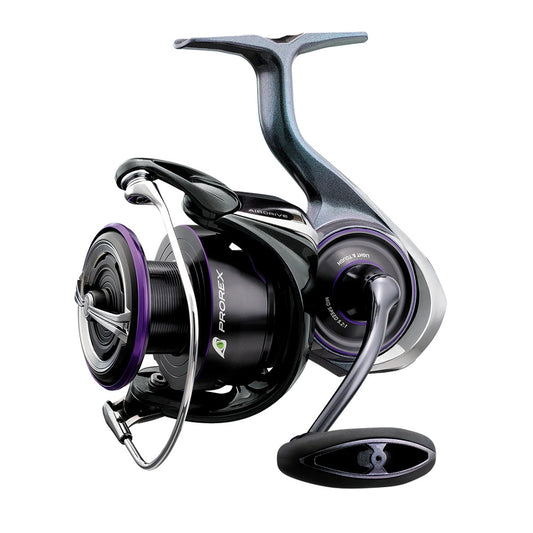
Daiwa Prorex MQ LT Spinning Reels 2000–4000
Regular price $239.99Regular price$0.00Sale price $239.99 -
Daiwa 2026 BG SW 5000 Saltwater Spinning Reel – 26.4 lb Drag
Regular price $199.99Regular price$0.00Sale price $199.99 -
Daiwa Fuego LT 6000 Spinning Reel
Regular price $144.99Regular price$0.00Sale price $144.99 -
Daiwa Free Swimmer 10000 Bite N' Run Spinning Reel
Regular price $239.99Regular price -
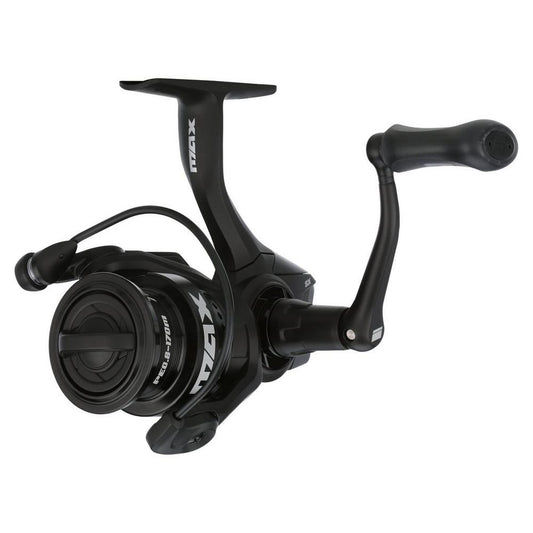
Abu Garcia Max SX 2000 Spinning Reel
Regular price $61.99Regular price$0.00Sale price $61.99

















Choosing the Right Spinning Reel
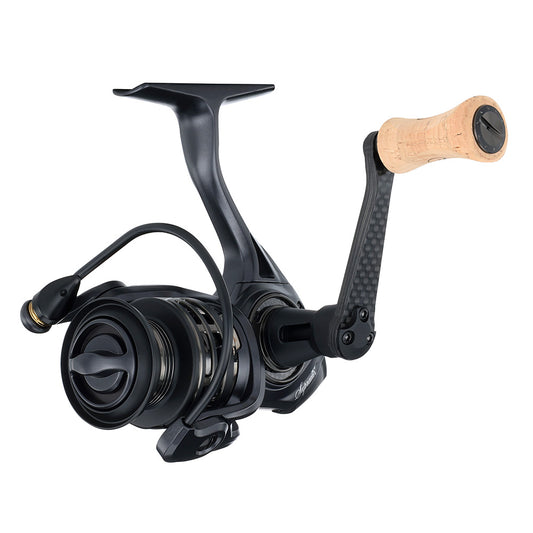
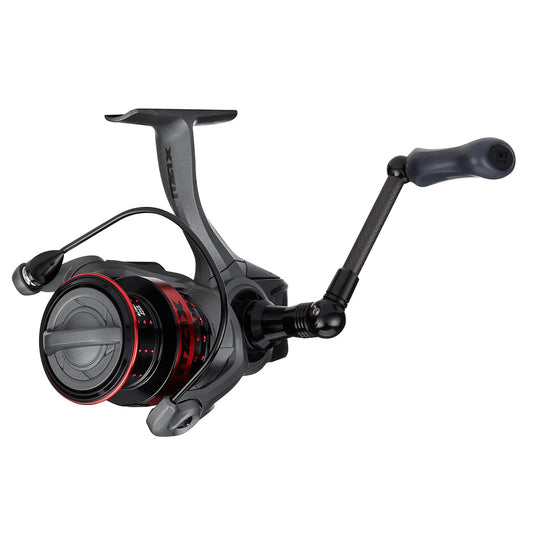
The right spinning reel depends on the rod you're pairing it with, the line you plan to use, the species you target and the type of fishing you do most often. Line choice is part of the setup too, so browse our fishing line collection for braid, monofilament and fluorocarbon options.
Smaller spinning reels keep light-tackle setups balanced and easy to cast, while larger reels provide additional line capacity and are better suited to heavier rods, larger lures and more demanding saltwater applications.
Start with the fishing application, then compare reel size, line capacity, drag, retrieve speed and overall weight before choosing a model.
-

Light & Freshwater
Lightweight setups for bass, finesse techniques and everyday casting
-

Inshore & Versatile
Balanced capacity and power for striped bass, fluke and coastal fishing
-

Surf & Offshore
Greater line capacity and power for heavy surf and offshore applications


Build Your Setup
Finish your spinning setup with fishing line, reel accessories, and saltwater hard baits. New to saltwater setups? Read our East Coast saltwater gear guide.
-

Fishing Line
Shop fishing line for freshwater, inshore and offshore fishing at SM4 Sports....
-

Saltwater Hard Baits
Shop saltwater hard baits for inshore and offshore fishing at SM4 Sports....
-

Fishing Reel Accessories
Shop fishing reel accessories at SM4 Sports for maintaining, protecting and upgrading...


