Collection: Saltwater Soft Plastics

Shop saltwater soft plastics for inshore and offshore fishing at SM4 Sports. Find paddle tails, grubs, jerk shads, shrimp imitations, mullet-style baits and other soft lures for fluke, striped bass, black sea bass and other saltwater gamefish.

Choose a soft plastic based on bait profile, size, tail action, water depth and how you plan to rig it. From swimming baits and curl tails to bottom-oriented presentations and erratic jerk shads, SM4 Sports carries soft plastics for a range of Northeast saltwater fishing conditions.

Choosing the Right Saltwater Soft Plastic

The right saltwater soft plastic depends on the forage fish are feeding on, the depth and current, the target species and how you want the bait to move.

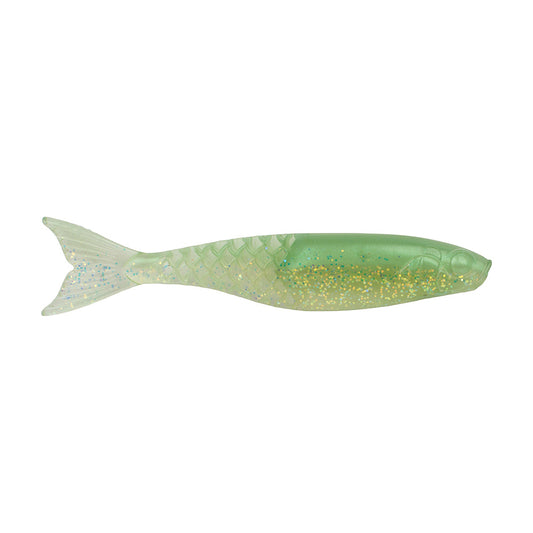
Paddle tails create a steady swimming action and vibration, grubs and curl tails provide movement even at slower speeds, jerk shads can be worked with an erratic baitfish action, and shrimp or other natural-forage profiles can be useful when predators are feeding on smaller inshore prey.

Start with a bait shape that matches the forage, then choose the size, rigging method and weight needed to keep the lure in the strike zone.

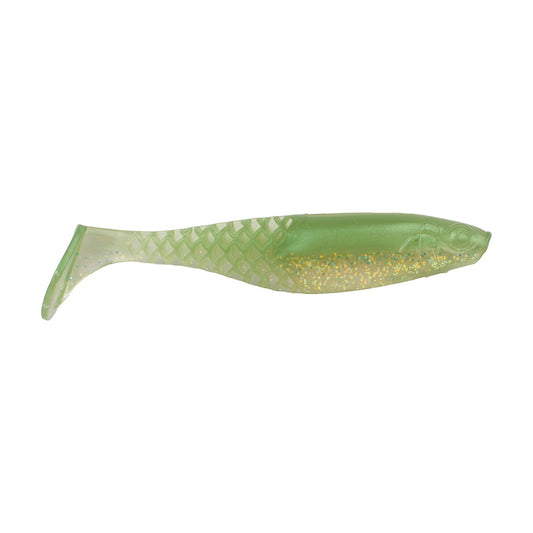
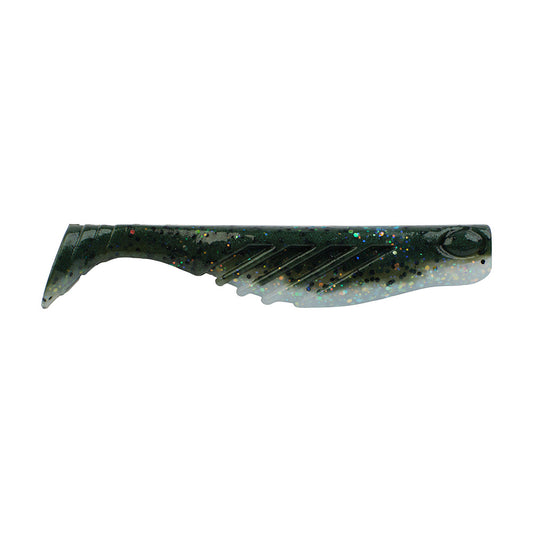
  • Berkley Gulp Saltwater Paddleshad soft plastic bait

    Paddle Tail

    Swimming action and vibration for covering the water column

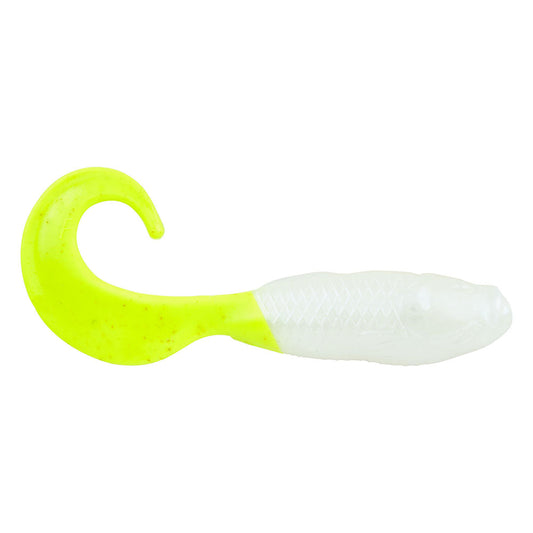
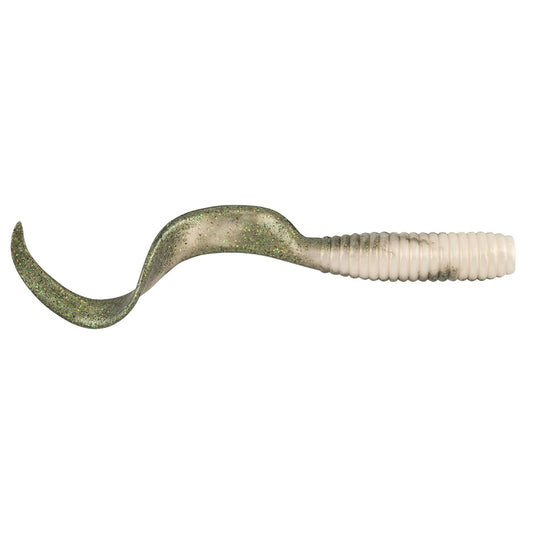
  • Berkley Gulp Saltwater Grub curl-tail soft plastic

    Grub / Curl Tail

    Tail action for jigging and slower bottom-oriented presentations

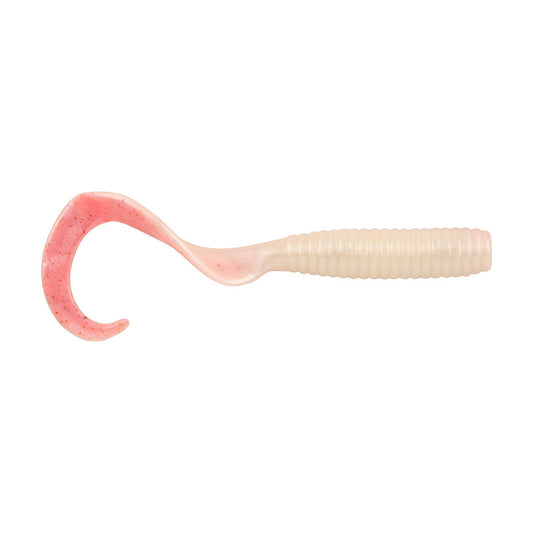
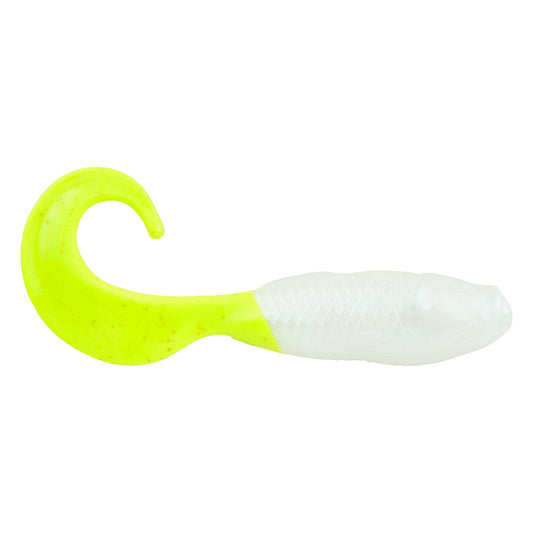
  • Berkley Gulp Saltwater Jerk Shad soft plastic bait

    Jerk Shad

    Erratic baitfish movement for active predators

Paddle Tails & Swimming Baits

Paddle tails and swimming soft baits use their tail design to create movement and vibration as they move through the water.

They can be retrieved steadily, jigged vertically, worked near the bottom or allowed to swim on the fall. This makes them useful when predators are feeding on mullet, shad, bunker and other baitfish.

Paddle tails can be rigged on jig heads or other hooks appropriate for the bait and fishing conditions. Choose enough weight to maintain control without making the presentation unnecessarily heavy.

Saltwater Grubs & Curl Tails

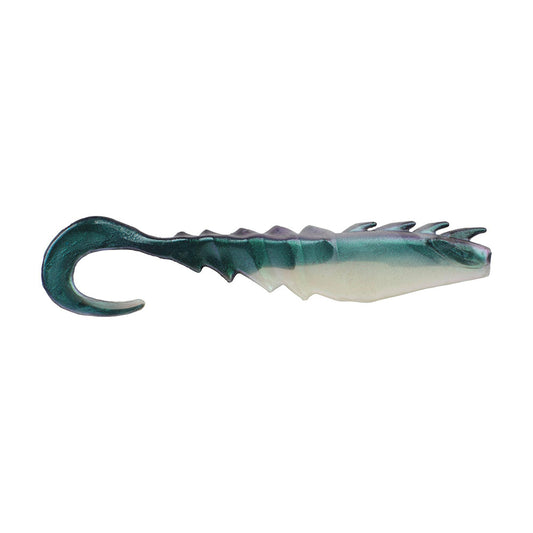
Grubs and curl-tail soft plastics produce action even at relatively slow speeds, making them useful for bottom fishing, vertical jigging and slower retrieves.

They are commonly paired with jig heads and can be worked for species such as fluke, black sea bass, weakfish and striped bass.

Grubs can also be used as trailers to add profile and movement to a jig. Match bait size and jig weight to the target species, depth and current.

Saltwater Jerk Shads

Jerk shads use a slender baitfish profile that can be worked with twitches, pauses and rod movements to create erratic action.

Depending on the rigging method and weight, they can be fished near the surface, through the middle of the water column or close to bottom and structure.

Jerk shads are a useful option when predators are feeding on injured or disoriented baitfish and respond to a presentation that changes direction instead of swimming steadily.

Shrimp & Natural Forage Imitations

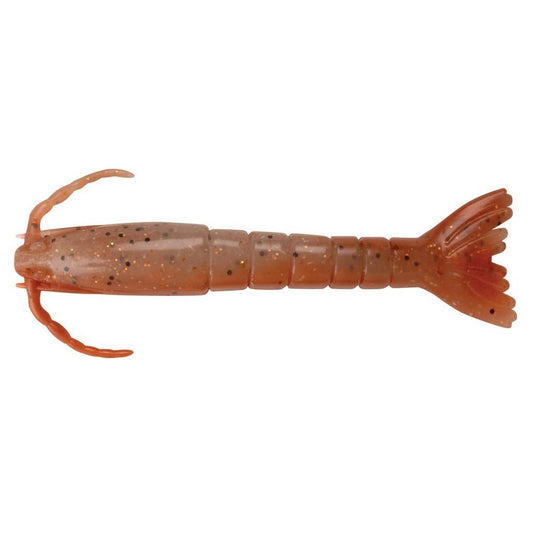
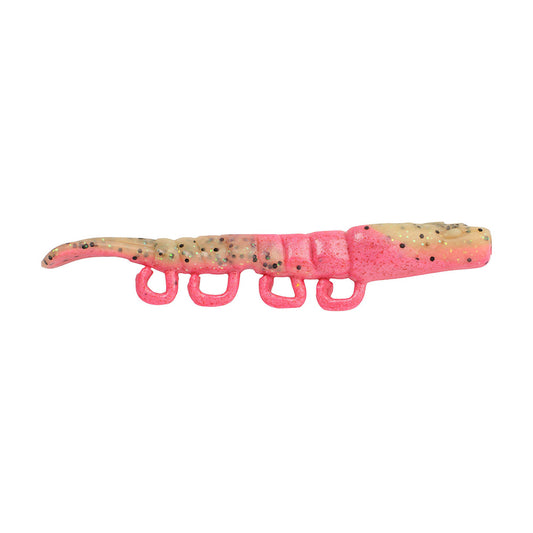
Soft plastic shrimp and other natural-forage profiles imitate prey commonly found in bays, inlets, channels and other coastal environments.

These baits can be rigged on jig heads, weighted hooks or other presentations depending on water depth and current.

Shrimp-style baits are especially useful when fish are feeding on crustaceans or smaller forage rather than larger baitfish. Choose the rigging method and weight based on the depth you need to fish and how naturally you want the bait to move.

Choosing Soft Plastic Size

Soft plastic size should match both the available forage and the species you are targeting.

Smaller baits can be effective when predators are feeding on small baitfish or when a more subtle presentation is needed. Larger profiles can provide more visibility and may better match larger forage.

Consider target species, local bait size, water clarity, water depth, current, jig-head weight and retrieve speed when choosing bait size.

Do not assume that a larger soft plastic will always catch a larger fish. Matching the size and profile of the forage can be more important than simply increasing bait size.

Rigging Saltwater Soft Plastics

Soft plastics can be rigged in several ways depending on the lure design and the presentation you need.

Common options include:

  • Jig heads
  • Weighted swimbait hooks
  • Unweighted hooks
  • Jig or bucktail trailers
  • Bottom rigs

Jig heads are especially versatile because changing the head weight allows the same bait to be fished through different depths and current conditions. For hooks, jigheads and other rigging components, browse our terminal tackle collection.

Always make sure the hook size and rigging method fit the soft plastic so the bait can move naturally without bunching or restricting the tail.

Choosing Jig-Head Weight

Use enough jig-head weight to maintain control of the soft plastic and keep it in the strike zone.

Shallow water, lighter current or slower drift may allow a lighter jig head, while deeper water, stronger current and faster drift generally require more weight. Line choice also affects sink rate, sensitivity and control, so browse our fishing line collection for braid, monofilament and fluorocarbon options.

The goal is not to use the heaviest jig head possible. Choose the lightest weight that still allows you to feel the bait, maintain the intended depth and control the presentation.

Scented vs. Traditional Soft Plastics

Some soft plastics rely primarily on shape, color and action, while others incorporate scent or attractant into the bait.

Scented soft plastics can add another cue to the presentation, particularly when fish have more time to inspect the bait or when the lure is worked slowly.

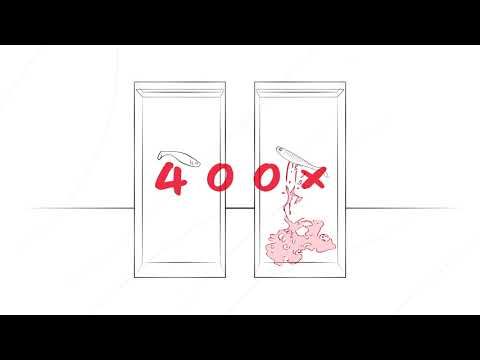
Berkley Gulp! soft baits are designed around both soft-bait action and scent dispersion, while traditional soft plastics rely more heavily on movement, profile and color.

Regardless of bait type, depth, retrieve speed, weight and presentation still need to match the fishing conditions.

Build a Versatile Saltwater Soft Plastic Selection

A practical saltwater soft-plastic selection should cover different bait profiles, depths and presentations.

Consider carrying:

  • Paddle tails for swimming presentations
  • Grubs and curl tails for jigging and bottom fishing
  • Jerk shads for erratic baitfish action
  • Shrimp and natural-forage imitations for inshore fishing
  • Multiple sizes and colors for changing bait and water conditions

Having several different profiles makes it easier to adjust when fish change depth, forage or feeding behavior throughout the day.

Frequently Asked Questions

What are the best saltwater soft plastics?

Paddle tails, grubs, jerk shads and shrimp imitations are versatile choices for saltwater fishing. The best style depends on the target species, forage, depth, current and how you want to present the bait.

What fish can you catch with saltwater soft plastics?

Saltwater soft plastics can be used for species such as fluke, striped bass, black sea bass, weakfish, bluefish and other inshore and coastal gamefish. Match bait size, rigging and tackle to the species you are targeting.

What is the best way to rig a saltwater soft plastic?

A jig head is one of the most versatile rigging options because it allows the bait to be cast, jigged or worked close to bottom. Depending on the soft plastic and presentation, weighted or unweighted hooks can also be used.

What weight jig head should I use with soft plastics?

Use enough weight to maintain control and keep the bait in the strike zone. Lighter heads can work in shallow water or weak current, while deeper water and stronger current generally require more weight.

Are scented soft plastics better than unscented soft plastics?

Neither is automatically better in every situation. Scented baits add another sensory cue, while unscented soft plastics can still be highly effective when action, profile and presentation match the conditions.