Collection: Striped Bass

Shop striped bass lures and tackle for surf, inlet, back-bay and boat fishing, including plugs, soft plastics, jigs and rigging gear.

Choosing the Right Striped Bass Tackle

The best striped bass tackle depends on where you are fishing, the size of the available bait and how stripers are feeding.

Hard baits and minnow plugs can cover water efficiently, topwater lures are useful when fish are feeding near the surface, and soft plastics give anglers a flexible presentation that can be worked at different depths.

For bait fishing, hooks and terminal tackle should match the bait size, line strength and fishing conditions.

A versatile striper setup should give you several ways to fish shallow, mid-water and near the bottom.

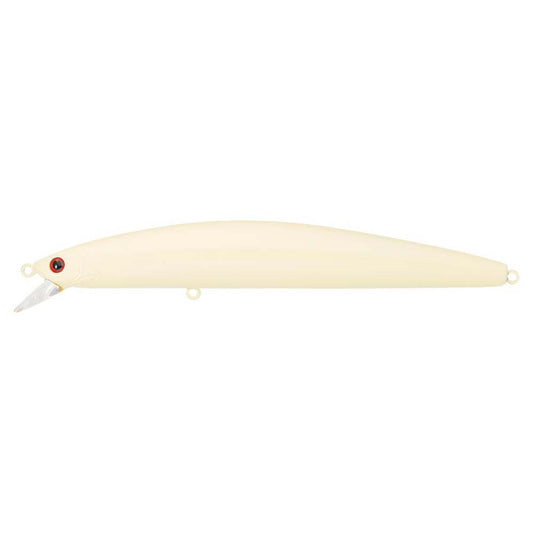
  • Daiwa Salt Pro Minnow striped bass fishing lure

    Minnow Plugs

    Long-casting baitfish profiles for surf, inlet and boat fishing

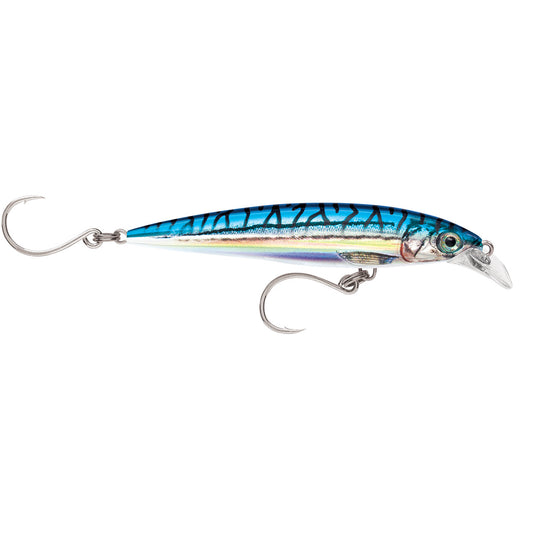
  • Rapala X-Rap Magnum Xplode topwater lure for striped bass fishing

    Topwater Lures

    Surface presentations for feeding stripers and aggressive strikes

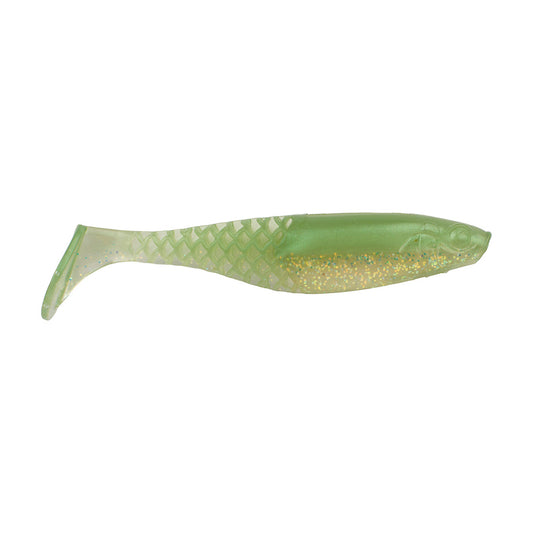
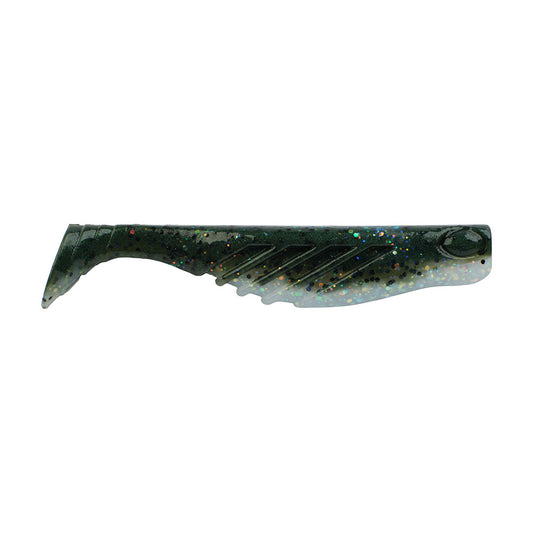
  • Berkley PowerBait Saltwater Paddlin' PowerStinger striped bass soft plastic swimbait

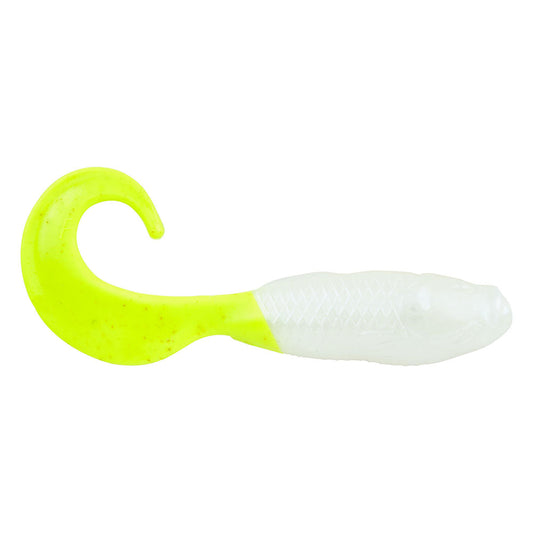
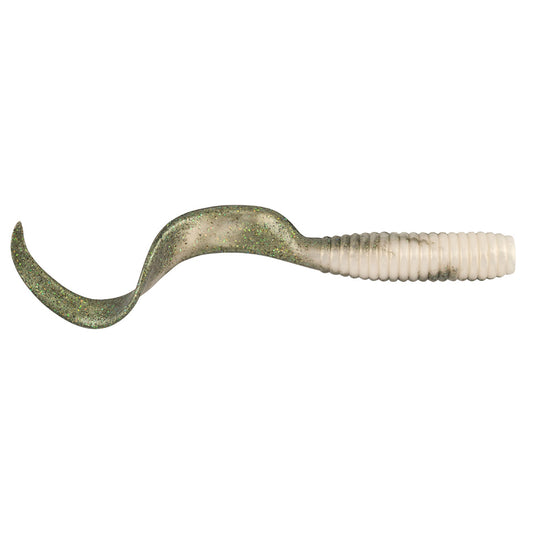
    Soft Plastics

    Flexible swimbait presentations for shallow water, current and structure

Buying Guide & FAQs

Striped Bass Hard Baits & Minnow Plugs

Hard baits are a core part of striped bass fishing because they can imitate baitfish and cover water efficiently. Browse our saltwater hard baits for plugs, jerkbaits and other casting options suited to inshore and offshore fishing.

Minnow-style plugs and jerkbaits are useful around:


  • Surf

  • Inlets

  • Jetties

  • Back bays

  • Rips

  • Bridges

  • Bait schools

Choose lure size and action based on the forage present and how deep you need the lure to run.

Long-casting plugs can be especially useful from shore when fish are feeding beyond the immediate wash or current seam.

Topwater Lures for Stripers

Topwater lures can produce aggressive strikes when striped bass are feeding near the surface.

Poppers and other surface presentations are useful around bait schools, shallow flats, rips, inlets and low-light conditions.

When fishing topwater, pay attention to:


  • Bait size

  • Surface activity

  • Retrieve speed

  • Current

  • Water clarity

  • Hook strength

If fish follow but do not commit, changing retrieve speed or switching to a subsurface presentation can help.

Soft Plastics for Striped Bass

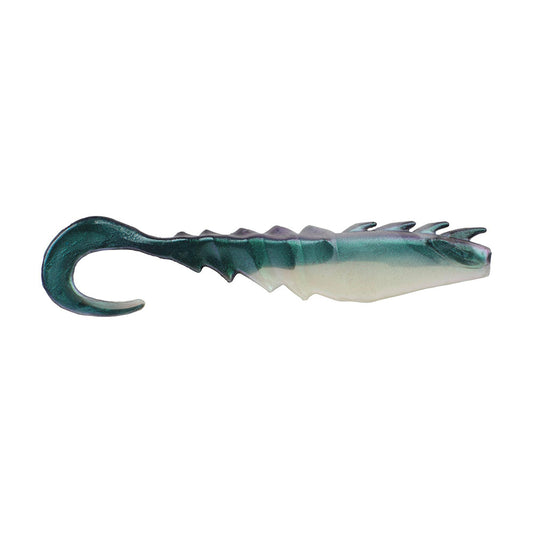
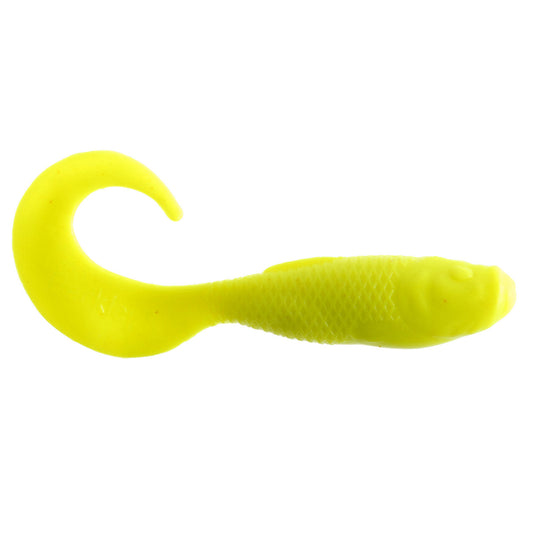
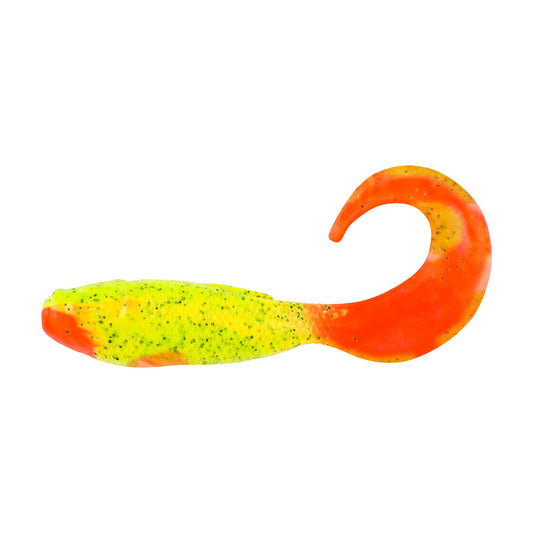
Soft plastics give striper anglers a versatile presentation that can be fished shallow, mid-depth or close to the bottom. Browse our saltwater soft plastics for paddle tails, jerk shads, grubs and other inshore presentations.

Paddle tails, baitfish profiles and other swimbaits can be rigged on jigheads or weighted hooks depending on depth, current and structure.

Soft plastics work well when stripers are feeding on:


  • Bunker

  • Sand eels

  • Mullet

  • Herring

  • Smaller baitfish

Choose size and profile around the forage rather than simply using the largest bait available.

Jigheads & Rigging Soft Plastics

Jighead weight controls how quickly a soft plastic sinks and how well it maintains depth in current.

Use the lightest jighead that still gives you control of the lure.

Shallow water and lighter current may call for a smaller jighead, while deeper water or stronger current can require additional weight.

Also match hook size to the body of the soft plastic so the lure maintains a natural profile and swimming action.

Circle Hooks for Bait Fishing

Circle hooks are commonly used for striped bass bait fishing and can be an important part of natural-bait rigs.

Hook size should match the bait and target fish rather than simply choosing the largest hook available. Browse our terminal tackle for hooks, leaders, swivels, sinkers and other rigging components.

When fishing natural bait, consider:


  • Bait size

  • Line and leader strength

  • Current

  • Rig style

  • Target fish size

Use hook and rigging choices that comply with the regulations in the waters you are fishing.

Surf Fishing for Striped Bass

Surf fishing requires tackle that can cast effectively and control lures or rigs in waves and current.

Useful presentations include:


  • Minnow plugs

  • Topwater lures

  • Soft plastics

  • Jigheads

  • Bait rigs

Long casting distance can be helpful, but presentation and lure control matter just as much.

Look for troughs, cuts, points, current seams and areas where bait concentrates close to shore.

Inlet & Back-Bay Striper Fishing

Inlets and back bays often concentrate bait and create moving water that striped bass use as feeding lanes.

Soft plastics, swimming plugs and topwater lures can all be effective depending on tide, depth and bait.

In stronger current, lure weight and swimming stability become more important because the lure still needs to track naturally.

Focus on current seams, bridge structure, points and areas where moving water pushes bait into predictable zones.

Boat Fishing for Stripers

Boat anglers can use casting, drifting and trolling presentations depending on where fish are located.

When stripers are feeding on the surface, casting plugs and soft plastics can be effective.

When fish are deeper, heavier soft plastics, jigs or deeper-running lures can help reach the strike zone.

Use sonar, visible bait, birds and current structure to help locate fish before choosing the presentation.

Match the Lure to the Bait

Striped bass frequently key in on a specific forage size.

Common striper forage can include:


  • Menhaden

  • Sand eels

  • Mullet

  • Herring

  • Bay anchovies

  • Other small baitfish

Match the general size and profile first.

Color matters, but lure size, action, depth and retrieve often have a greater effect on whether the presentation matches the feeding behavior.

Choosing Lure Size & Weight

The right lure size and weight depend on bait size, current, depth and casting needs.

Lighter lures can provide a more natural presentation in shallow or calm water.

Heavier lures may be needed when fishing deeper water, stronger current or when longer casting distance is required. For vertical presentations and heavier current, browse our saltwater jigs for additional options.

Choose enough weight to control the lure without making the presentation unnecessarily heavy.

Frequently Asked Questions

What are the best lures for striped bass?

Popular striped bass lures include minnow plugs, topwater lures, soft plastic swimbaits and jigs. The best choice depends on bait size, water depth and feeding behavior.

What size lure should I use for stripers?

Match lure size to the forage when possible. Smaller bait often calls for a more compact lure, while larger bunker, mullet or herring can justify a larger profile.

Are soft plastics good for striped bass?

Yes. Soft plastics can be fished at different depths and are effective around bait schools, structure, current and open water.

What kind of hook should I use for striped bass bait fishing?

Circle hooks are commonly used for natural-bait striped bass fishing. Hook size should match the bait and fishing conditions, and anglers should follow current local regulations.

What lures work well from the surf?

Minnow plugs, topwater lures, soft plastics and jigs are all common surf-fishing options. Choose based on casting distance, current and the depth where fish are feeding.

What is the best time to use topwater for stripers?

Topwater can be especially productive when fish are actively feeding near the surface, often around low light, bait schools and moving water.