
-
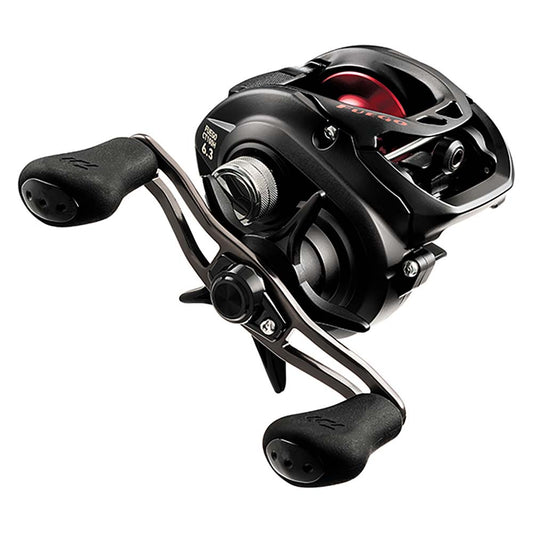
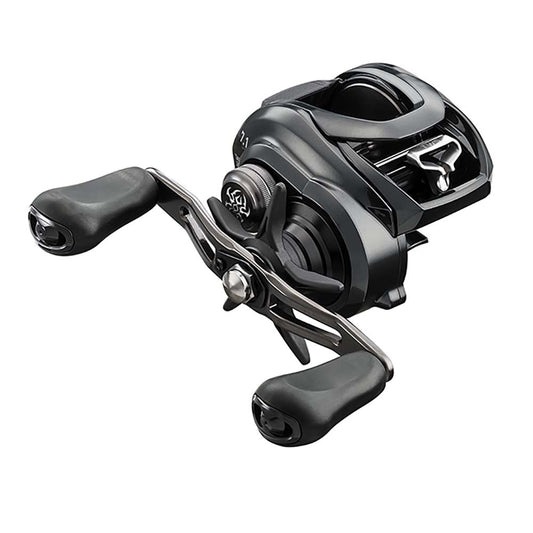
Daiwa Fuego CT Baitcasting Reel
Regular price $129.99Regular price -
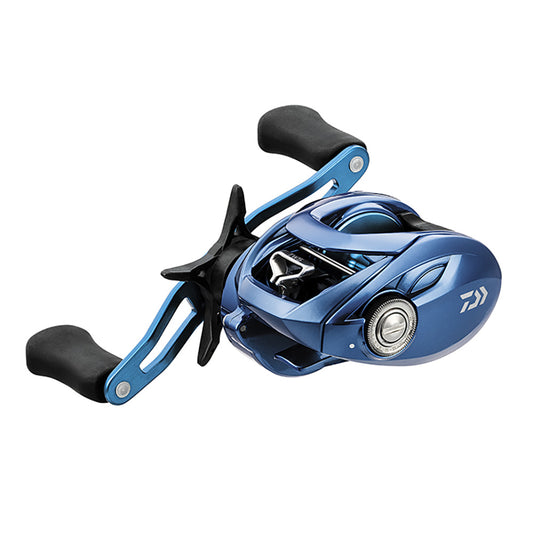
Daiwa Coastal SV TW 150 Inshore Baitcasting Reel
Regular price $289.99Regular price -
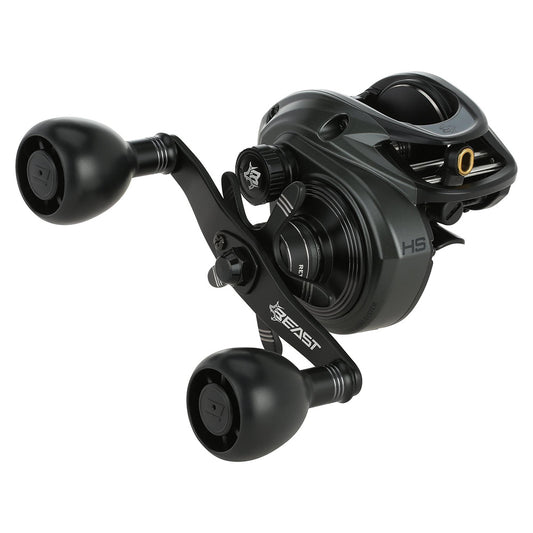
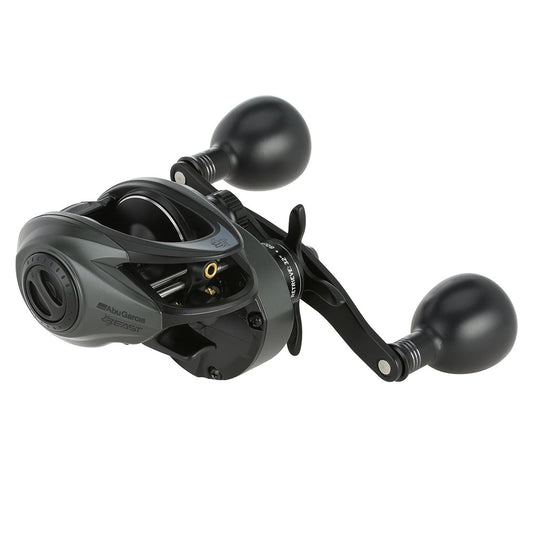
Abu Garcia Beast 300 High Speed Right-Hand Baitcast Reel
Regular price $299.95Regular price -
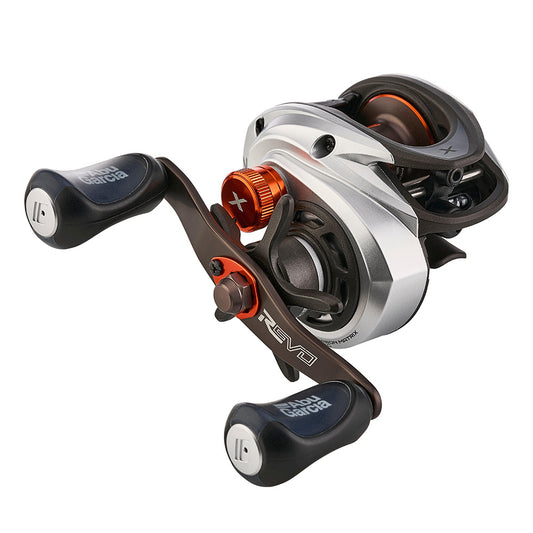
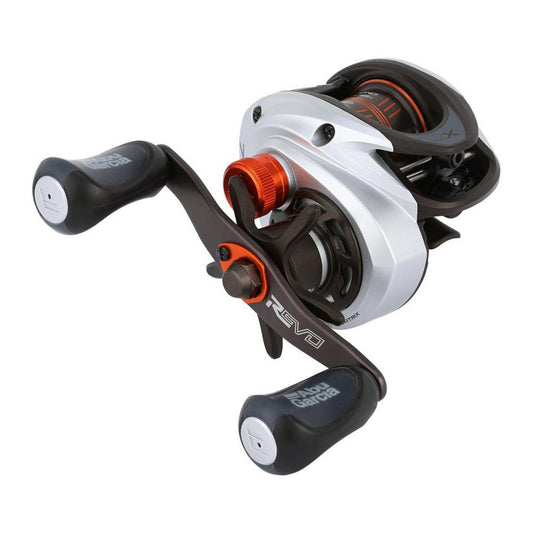
Abu Garcia Revo X High Speed Right-Hand Baitcast Reel
Regular price $149.95Regular price -
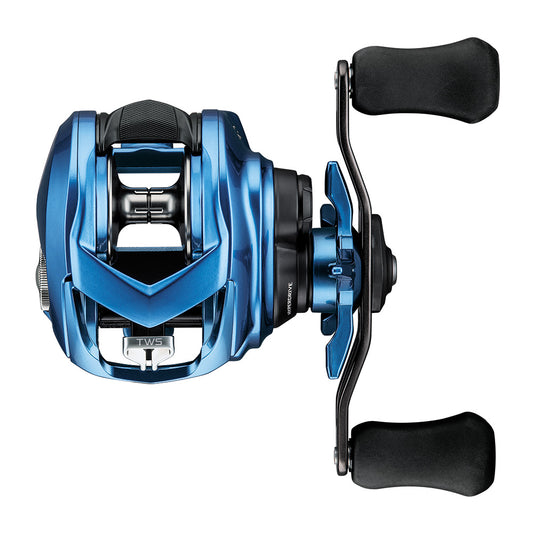
Daiwa Coastal TWS 80 Left-Hand Baitcasting Reel
Regular price $299.99Regular price -
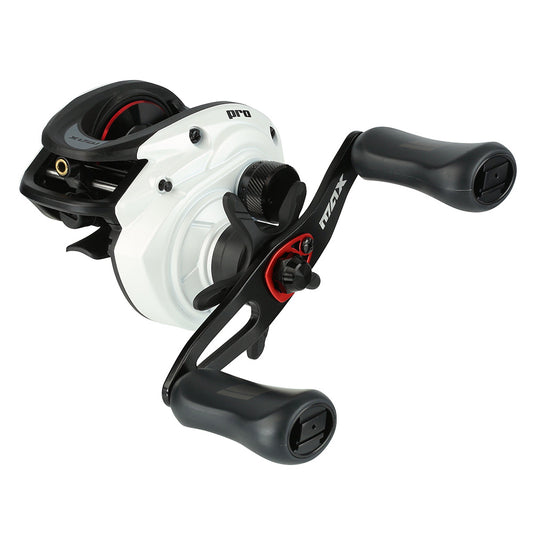
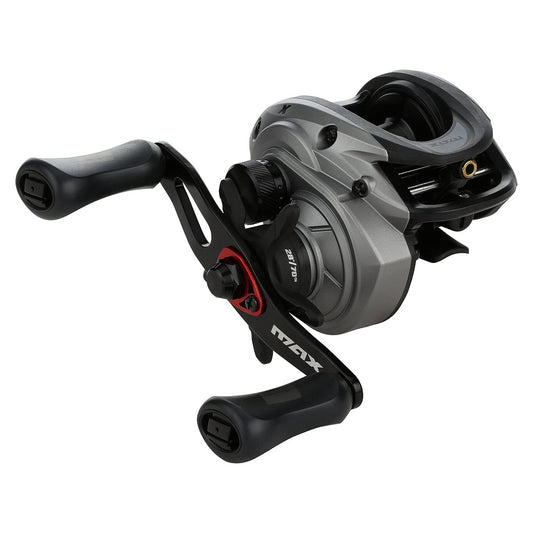
Abu Garcia Max Pro Left-Hand Baitcast Reel
Regular price $95.99Regular price$0.00Sale price $95.99 -
Abu Garcia Revo X BFS Right-Hand Baitcast Reel
Regular price $179.95Regular price$0.00Sale price $179.95 -
Abu Garcia Beast 400 High Speed Right-Hand Baitcast Reel
Regular price $349.95Regular price$0.00Sale price $349.95 -
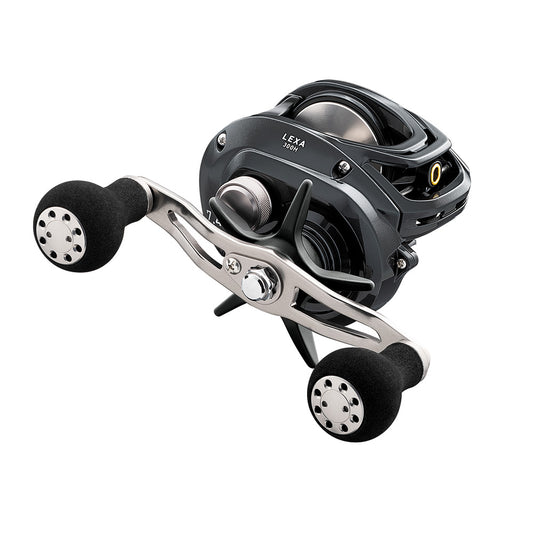
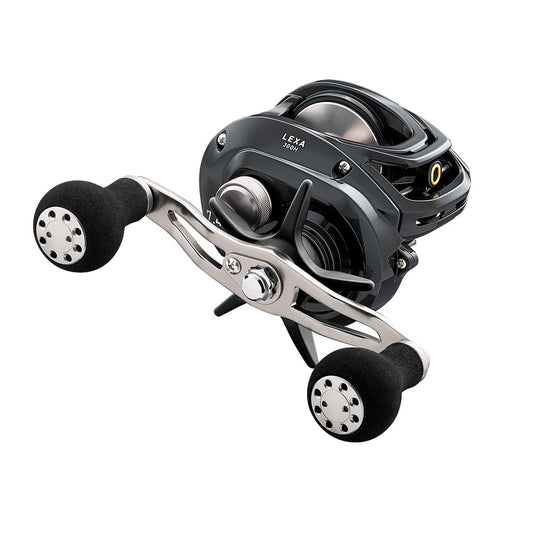
Daiwa Lexa 300 Baitcasting Reel
Regular price $229.99Regular price -
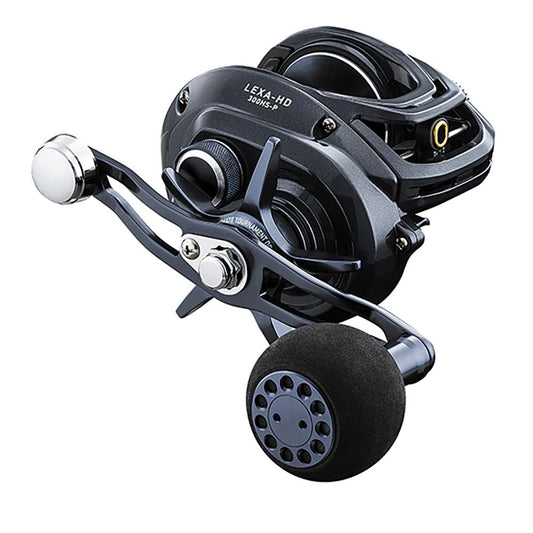
Daiwa Lexa 300 HD Baitcasting Reel
Regular price $279.99Regular price -
Daiwa Lexa 400 Baitcasting Reel
Regular price $289.99Regular price -
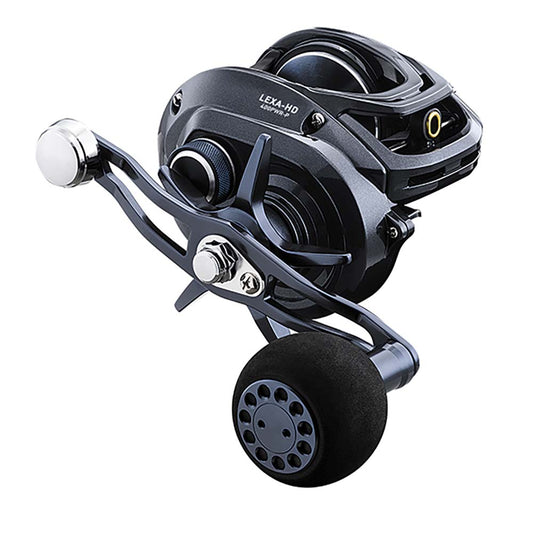
Daiwa Lexa 400 HD Baitcasting Reel
Regular price $339.99Regular price -
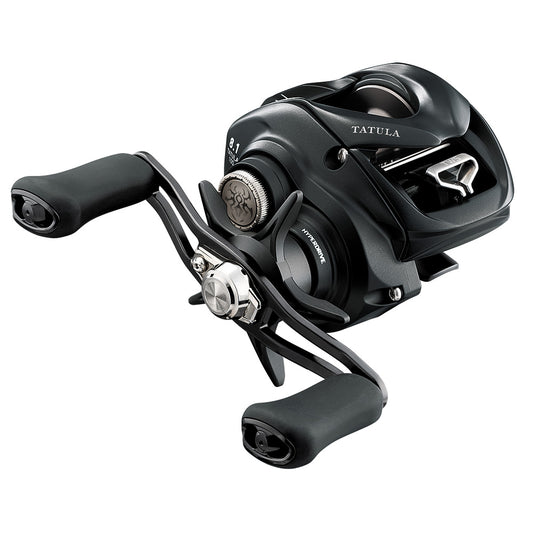
Daiwa Tatula 100 Baitcasting Reel
Regular price $189.99Regular price -
Daiwa Tatula 150 Baitcasting Reel
Regular price $199.99Regular price -
Daiwa Tatula 200 Baitcasting Reel
Regular price $199.99Regular price -
Daiwa Tatula 300 Baitcasting Reel
Regular price From $243.99Regular price -
Daiwa Tatula X TW 100 Baitcasting Reel
Regular price $149.99Regular price -
Abu Garcia Beast Low Profile Baitcast Reel 200–400
Regular price From $249.95Regular price -
Abu Garcia Max X Left-Hand Baitcast Reel
Regular price $60.99Regular price -
Abu Garcia Max X Right-Hand Baitcast Reel
Regular price $60.99Regular price -
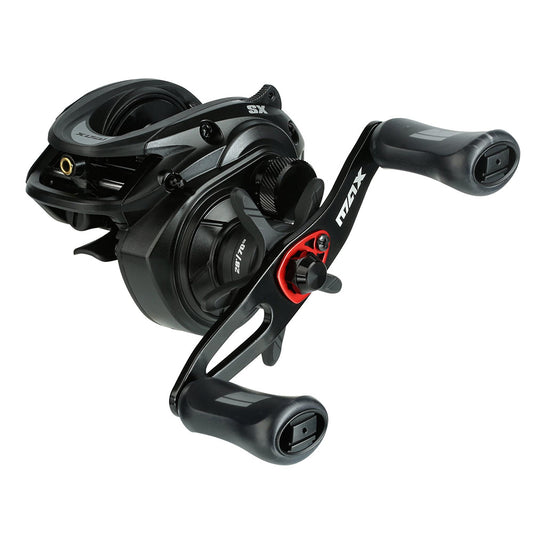
Abu Garcia Max SX Flipping Switch Low Profile Baitcast Reel Left Hand
Regular price $77.99Regular price$0.00Sale price $77.99 -
Abu Garcia Max SX Flipping Switch Low Profile Baitcast Reel Right Hand
Regular price $77.99Regular price -
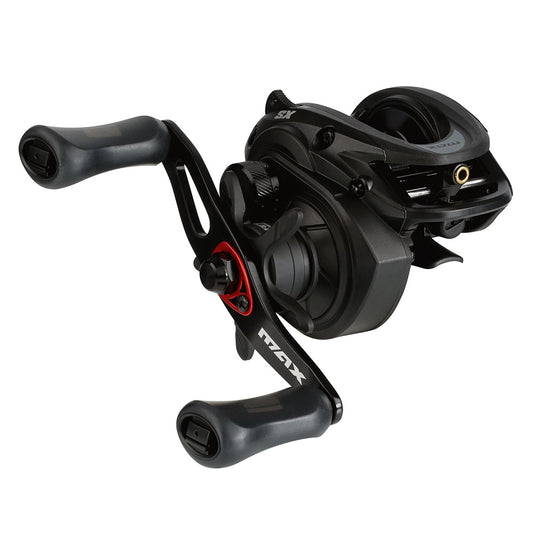
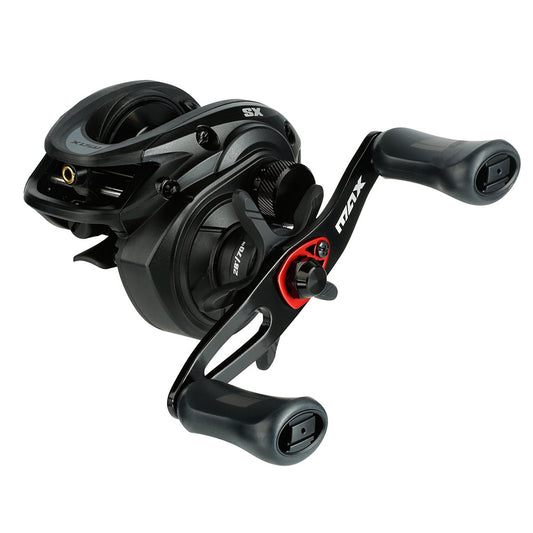
Abu Garcia Max SX Left-Hand Baitcast Reel
Regular price $77.99Regular price$0.00Sale price $77.99 -
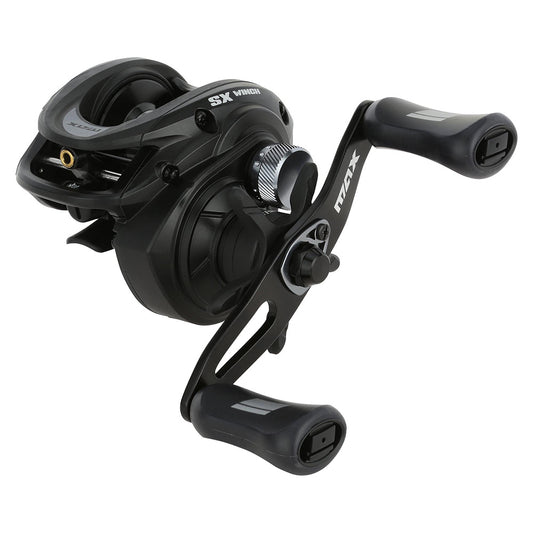
Abu Garcia Max SX Winch Left-Hand Baitcast Reel
Regular price $77.99Regular price$0.00Sale price $77.99























Choosing the Right Baitcasting Reel
The right baitcasting reel depends on the lures you throw, the line you use, the species you target and whether you fish freshwater, saltwater or both.
Compact low-profile reels are well suited to repeated casting and general-purpose lure fishing. Larger baitcasters provide more line capacity and are better suited to heavier line, larger lures and more demanding applications.
Start with the reel size that matches your fishing, then compare gear ratio, retrieve side, braking system, drag and line capacity before choosing a model. Browse our fishing line collection for braid, monofilament and fluorocarbon options to match your baitcasting setup.
-

General Purpose
Compact, versatile option for everyday casting and freshwater techniques
-

Saltwater / Inshore
Built for inshore applications and saltwater-capable casting setups
-

Heavy Duty
More capacity and power for larger lures and demanding applications


Build Your Setup
Complete a baitcasting setup with the right fishing line and reel accessories, or compare these reels with our round baitcasting reels for higher-capacity applications.
-

Round Baitcasting Reels
Shop round baitcasting reels built for freshwater, inshore and heavy-duty fishing applications....
-

Fishing Line
Shop fishing line for freshwater, inshore and offshore fishing at SM4 Sports....
-

Fishing Reel Accessories
Shop fishing reel accessories at SM4 Sports for maintaining, protecting and upgrading...


