Collection: Pelagic Fishing Lures

Shop pelagic lures for tuna, mahi and wahoo, including trolling lures, poppers, stickbaits, diving plugs and jigs.

Choosing the Right Pelagic Fishing Lure

Pelagic fishing can require very different presentations depending on where fish are feeding.

Trolling lures help cover water when fish are scattered. Poppers and stickbaits are useful when tuna or mahi are feeding near the surface, while diving plugs and jigs give anglers options below the surface.

A versatile pelagic lure selection should include several lure styles so you can adjust to changing bait, depth and feeding behavior throughout the trip.

  • Rapala X-Rap Magnum Xplode topwater popper for tuna and pelagic fishing

    Topwater & Poppers

    Surface lures for casting to feeding tuna, mahi and other aggressive pelagics

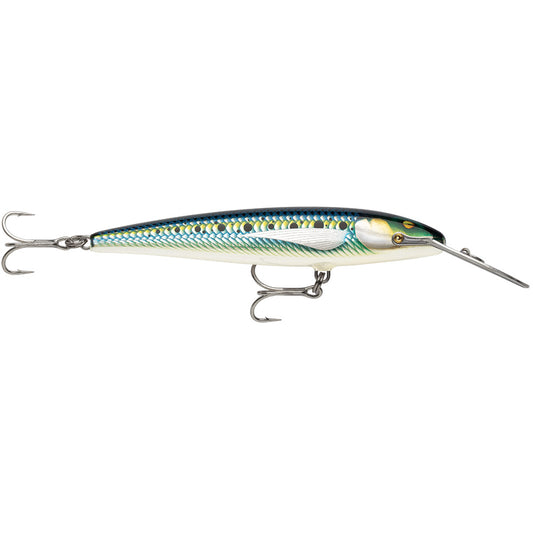
  • Rapala X-Rap Magnum Stick 17 Mint Green XRMAGST17MTG

    Stickbaits

    Long-casting baitfish profiles for working below or near the surface

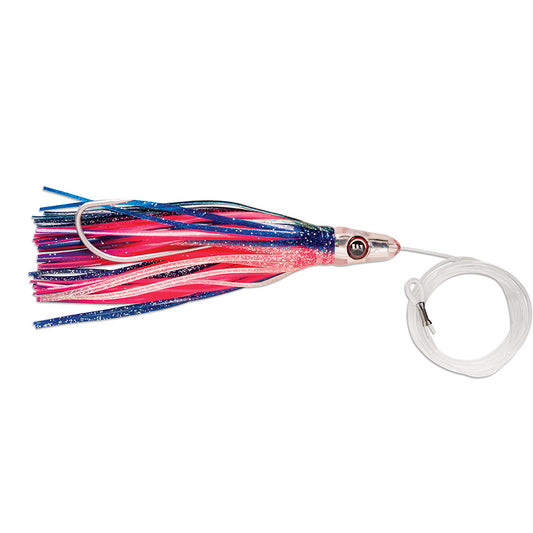
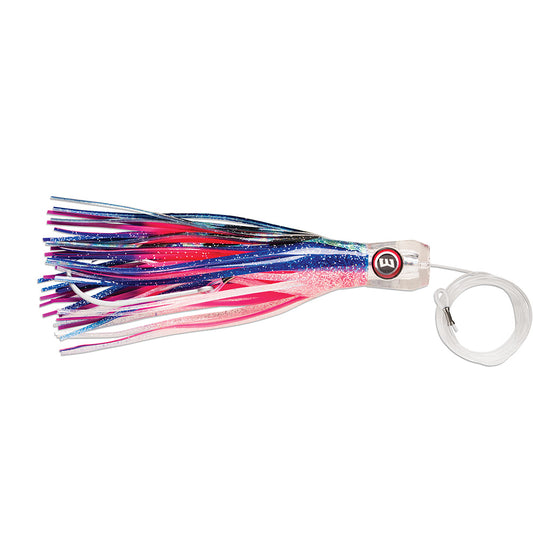
  • Williamson Big Game Catcher 8 inch offshore trolling lure

    Trolling Lures

    Offshore presentations for covering water while searching for tuna, mahi and wahoo

Buying Guide & FAQs

Topwater Lures & Poppers

Topwater lures are useful when pelagic fish are feeding at or near the surface.

Poppers create surface disturbance that can draw attention from tuna, mahi and other aggressive predators, especially around visible bait, birds or active surface feeds.

When choosing a topwater lure, consider:


  • Lure size

  • Casting distance

  • Target species

  • Hook strength

  • Surface action

  • Bait size

Large offshore poppers can require heavier casting tackle than smaller inshore surface lures, so match the lure to the rod, reel and line you plan to use. For more casting plugs, jerkbaits and hard-bodied options, browse our saltwater hard baits collection.

Pelagic Stickbaits

Stickbaits imitate baitfish with a streamlined profile and can be worked at different speeds and depths depending on the lure design.

They are especially useful for casting to tuna and other pelagic fish that are feeding on visible bait but may not respond to a loud surface presentation.

A sinking stickbait can be allowed to work below the surface before the retrieve begins, while other models may stay closer to the top.

Choose lure size and profile based on the forage fish are feeding on and the tackle required to cast the lure effectively.

Pelagic Trolling Lures

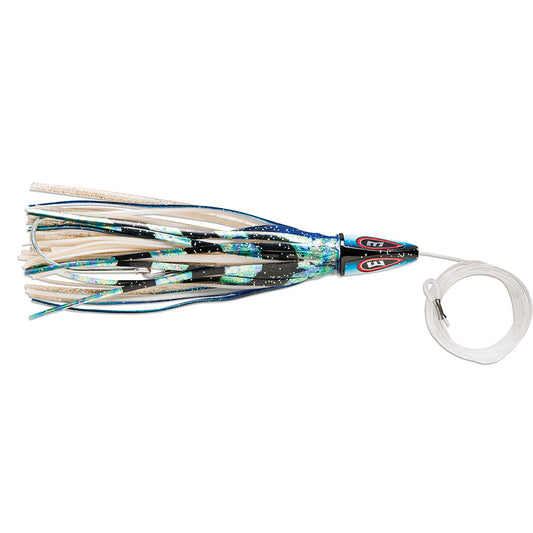
Trolling remains one of the most effective ways to search large areas of offshore water. Browse our offshore trolling gear for rigged lures, high-speed presentations and deep-diving plugs built for tuna, mahi, wahoo and other pelagic species.

Skirted lures, rigged trolling lures and hard-bodied trolling plugs can be positioned at different distances behind the boat to create a spread that covers multiple areas of water.

Use trolling lures when:


  • Fish are scattered

  • You are searching productive water

  • You want to cover a temperature break or edge

  • Tuna, mahi or wahoo are feeding on moving bait

  • You need multiple presentations in the water at once

For a deeper trolling-specific selection, browse our offshore trolling gear collection for rigged lures, high-speed presentations and deep-diving plugs.

Diving Plugs for Pelagic Fish

Deep-diving trolling plugs provide a subsurface option when fish are holding below surface activity or when you want a lure running deeper in the spread.

Your current saltwater assortment includes Rapala X-Rap Magnum and related diving plugs used for offshore trolling applications.

Running depth varies by exact model, trolling speed, line and rigging, so check the specifications of the individual lure rather than assuming every plug fishes at the same depth.

Diving plugs can be useful for tuna, wahoo and other pelagic predators when a surface-only spread is not producing.

Jigs for Pelagic Fishing

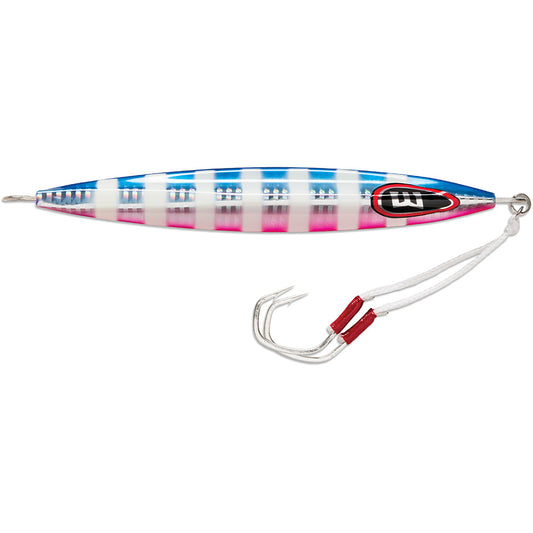
Metal jigs give anglers another way to target pelagic fish beneath the surface. Browse our saltwater jigs for speed, vertical and other jigging presentations suited to tuna and offshore fishing.

They can be cast to breaking fish or worked vertically when tuna and other gamefish are marked deeper on sonar.

Common jigging approaches include:


  • Speed jigging

  • Vertical jigging

  • Slow-pitch jigging

  • Casting metal jigs

The right jig depends on depth, current, bait size and how aggressively the fish are feeding.

Heavier jigs generally reach deeper water faster, while lighter profiles may be more suitable when fish are feeding higher in the water column.

Tuna Lures

Tuna can be targeted with a wide range of presentations because feeding behavior changes with bait size, depth and conditions.

Useful tuna lure categories include:


  • Poppers

  • Stickbaits

  • Trolling lures

  • Diving plugs

  • Metal jigs

When tuna are feeding on small forage, lure size can matter as much as color. A compact presentation may be more effective than a large offshore lure when fish are keyed in on small bait.

When feeding activity is visible near the surface, casting can be effective. When fish are scattered or difficult to locate, trolling can help cover more water.

Mahi Lures

Mahi are aggressive offshore predators that often respond well to active baitfish presentations.

Common approaches include:


  • Smaller skirted trolling lures

  • Baitfish-profile trolling lures

  • Stickbaits

  • Poppers

  • Metal jigs

Mahi are frequently found around floating structure, weed lines, current edges and concentrations of bait.

Once fish are located around the boat, casting lures and jigs can provide another option instead of continuing to troll.

Wahoo Lures

Wahoo are fast, powerful predators with sharp teeth, so lure selection and rigging both matter.

Common wahoo presentations include:


  • High-speed trolling lures

  • Deep-diving trolling plugs

  • Streamlined offshore lures

  • Heavy-duty rigged presentations

Pay attention to the lure's intended speed range and the strength of the leader, hooks and terminal connections.

Wahoo tackle should be selected as a complete system rather than focusing only on the lure.

Marlin & Sailfish Lures

Skirted trolling lures are commonly used for billfish and other large offshore pelagics.

Different head shapes and skirt designs produce different surface actions and bubble trails behind the boat.

Lure position also matters.

Short positions may work in disturbed water closer to the boat, while longer positions can provide a cleaner presentation farther behind the spread.

When targeting billfish, choose lure size, rigging and tackle appropriate for the fish and the trolling setup being used.

Trolling vs. Casting for Pelagic Fish

Trolling and casting serve different purposes offshore.

Trolling is useful when you need to:


  • Search large areas

  • Cover temperature breaks

  • Locate scattered fish

  • Run multiple lures at once

For complete offshore trolling setups, pair these lures with conventional reels sized for the species, line capacity and drag pressure you expect to fish.

Casting is useful when:


  • Fish are already located

  • Tuna or mahi are feeding on the surface

  • Birds identify active bait

  • Fish are concentrated around floating structure

Carrying both casting and trolling lures gives you more ways to respond as conditions change.

Match the Lure to the Bait

Pelagic fish often become focused on a particular bait size or profile.

Look for clues around:


  • Surface feeds

  • Birds

  • Weed lines

  • Floating debris

  • Temperature breaks

  • Current edges

  • Bait visible around the boat

  • Sonar marks

Start by matching the general size and shape of the forage.

Color can matter, but lure size, action, depth and presentation should usually be considered first.

Match the Lure to the Water Column

Pelagic fish do not always feed at the same depth.

Use different lure categories to cover different parts of the water column:

Surface:

Poppers and other topwater lures

Near Surface / Mid-Water:

Stickbaits and swimming plugs

Subsurface Trolling:

Diving plugs

Deep Water:

Metal and vertical jigs

A lure selection that covers several depths gives you more options when fish move during the day.

Build a Versatile Pelagic Lure Selection

There is no single lure that covers every offshore situation.

A practical pelagic lure selection can include:


  • A surface popper

  • A sinking or swimming stickbait

  • A rigged trolling lure

  • A diving plug

  • One or more metal jigs

That gives you options for searching, casting and fishing deeper water without loading the tackle box with multiple versions of the same presentation.

Frequently Asked Questions

What are pelagic fishing lures?

Pelagic fishing lures are artificial lures used to target open-water gamefish such as tuna, mahi, wahoo, marlin and sailfish. Common types include trolling lures, poppers, stickbaits, diving plugs and jigs.

What are the best lures for tuna?

Tuna can be targeted with poppers, stickbaits, trolling lures, diving plugs and metal jigs. The best choice depends on bait size, feeding depth and whether fish are scattered or concentrated.

What lures work well for mahi?

Mahi commonly respond to smaller trolling lures, baitfish-profile presentations, poppers, stickbaits and jigs. They are often targeted around weed lines, floating structure and concentrations of bait.

What lures are used for wahoo?

High-speed trolling lures and deep-diving plugs are common wahoo presentations. Strong leader material, hooks and terminal connections are also important because of the species' speed and teeth.

Should I troll or cast for tuna?

Trolling is useful for locating scattered fish and covering water. Casting becomes especially useful once tuna are located near surface activity, birds or bait schools.

What size pelagic lure should I use?

Match lure size to the forage when possible. Smaller bait can call for a compact lure, while larger baitfish may justify a larger profile.

What colors work for pelagic fishing?

Natural baitfish patterns are good starting points, while brighter and higher-contrast colors can provide alternatives in different water and light conditions. Size, action, depth and presentation can be just as important as color.

Do I need different lures for different depths?

Usually, yes. Topwater lures cover the surface, stickbaits and plugs can work through the upper and middle water column, and jigs provide access to deeper fish.