Collection: Fishing Tools & Accessories

Shop fishing pliers, cutters, hook removers, scales and other tools for rigging, landing fish and everyday tackle work.

Choosing the Right Fishing Tools

The most useful fishing tools are the ones that handle the jobs you regularly perform on the water.

Pliers help with hooks, terminal tackle and wire. Dedicated cutters and scissors make line work faster and cleaner. Hook-removal and fish-handling tools can make dealing with fish safer and more efficient, while multi-tools combine several common functions in one compact piece of gear.

Start with the tasks you perform most often, then choose tools that match the line, hooks, hardware and fishing environment you use.

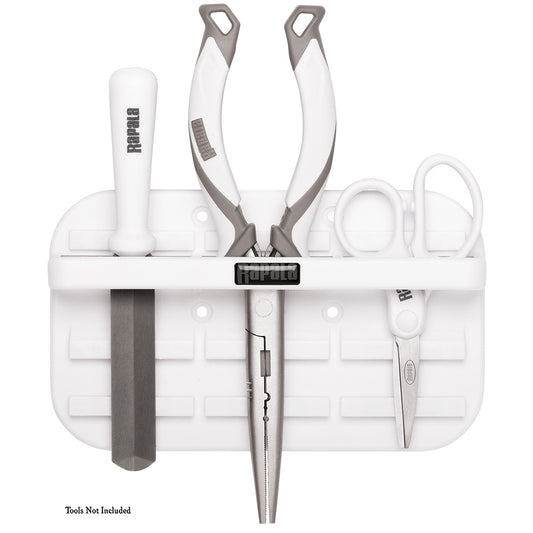
  • Rapala 7 inch Elite fishing pliers

    Fishing Pliers

    Versatile tool for hooks, terminal tackle and everyday rigging

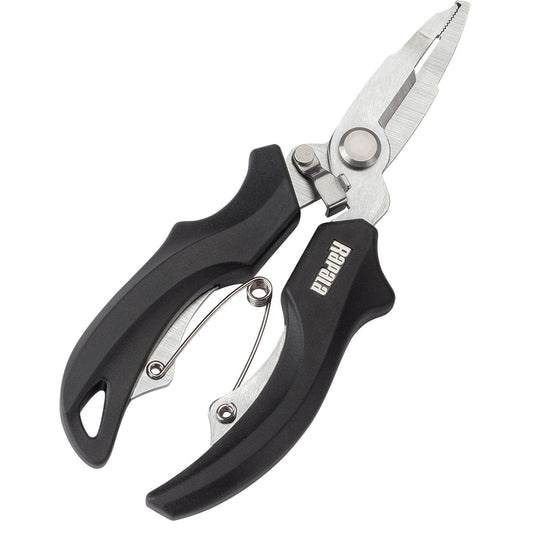
  • Rapala Split Ring Scissors for fishing line and tackle

    Cutters & Scissors

    Clean cutting for fishing line and quick rigging tasks

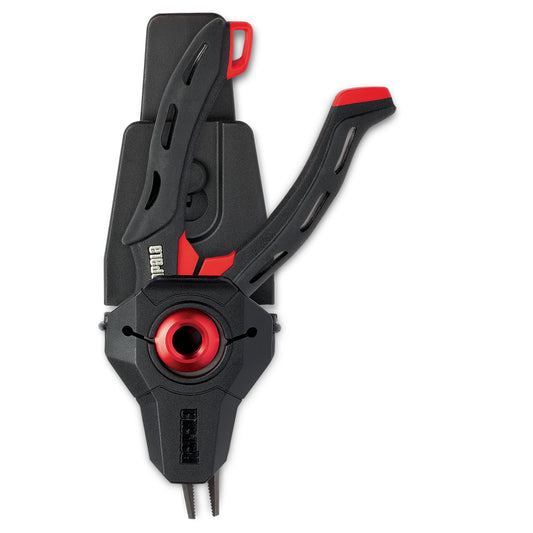
  • Rapala Fishermans Multi-Tool for fishing and rigging tasks

    Fishing Multi-Tool

    Multiple rigging and tackle functions in one compact tool

Buying Guide & FAQs

Fishing Pliers

Fishing pliers are one of the most versatile tools an angler can carry.

Depending on the design, they may be used for removing hooks, cutting line, opening split rings, crimping sleeves, bending wire and working with terminal tackle.

Not every pair of pliers performs every task equally well. Compare jaw design, cutter type, overall size, handle design and the manufacturer's intended use before choosing a pair.

For saltwater fishing, choose tools specifically intended for marine or saltwater use when the manufacturer identifies them for that environment.

Fishing Line Cutters & Scissors

Fishing line can be difficult to cut cleanly, especially braided line and heavier leader material.

Dedicated fishing scissors and line cutters are designed to make rigging faster and reduce frayed or uneven cuts.

Choose a cutting tool based on the line you use most often. Lightweight scissors may be enough for braid and monofilament, while heavier leader material may require a stronger cutter designed for thicker line. Browse our fishing line collection for braid, monofilament and fluorocarbon options to match your rigging tools.

Hook Removal & Fish Handling

Hook-removal and fish-handling tools can make it easier to control a fish and reach hooks without relying on your hands alone.

Longer pliers or hook-removal tools are especially useful around treble hooks, toothy fish and hooks positioned deeper in the mouth.

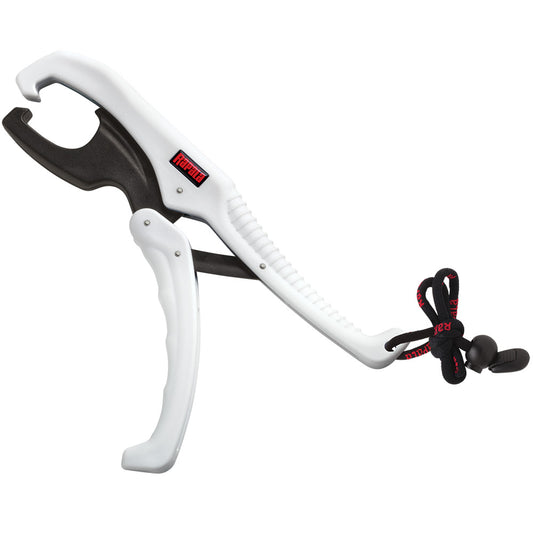
Fish grips and similar handling tools can also provide a more secure way to control certain fish while unhooking, measuring or preparing them for release.

Choose a tool appropriate for the species, hook size and fishing situation, and avoid applying unnecessary pressure or handling.

Split-Ring Pliers & Rigging Tools

Split-ring pliers and rigging tools make it easier to change hooks, swivels and other hardware on lures and terminal tackle. For hooks, leaders, swivels, sinkers and other rigging components, browse our terminal tackle collection.

The specialized tip on split-ring pliers separates the coils of a split ring so components can be removed or installed with less effort.

Anglers working with heavier saltwater tackle may also need dedicated crimpers, leader cutters or wire tools. Choose the tool based on the size and type of hardware you regularly use.

Fishing Multi-Tools

Fishing multi-tools combine several common functions into one compact piece of equipment.

Depending on the model, a multi-tool may include pliers, cutters, crimping sections, screwdrivers, blades or other rigging functions.

They are useful when tackle-box space is limited or when you want one tool for several quick jobs. Dedicated tools may still provide more leverage or precision for specialized tasks, so a multi-tool often works best as part of a broader fishing-tool kit.

Fillet & Fish-Cleaning Tools

Fillet knives and fish-cleaning tools are designed for processing fish efficiently after the catch.

Blade length and flexibility should match the size of the fish and the type of cutting work being performed. A longer or more flexible blade may suit larger fillets, while shorter knives can provide more control for smaller fish and detailed trimming.

A stable cutting surface is equally important. Portable fillet boards and cleaning surfaces can help create a cleaner, more controlled work area on the boat, dock or at home.

Follow the manufacturer's care instructions for cleaning, drying and storing knives and cutting tools.

Choosing Tools for Saltwater Fishing

Saltwater, spray and wet tackle can be hard on fishing tools.

For repeated marine use, choose tools whose manufacturer identifies the materials, finish or construction as suitable for saltwater conditions.

After use, follow the manufacturer's maintenance recommendations. Depending on the tool, this may include rinsing off salt residue, drying the tool thoroughly, checking moving parts and applying lubricant where recommended.

Inspect cutters, jaws, hinges and fasteners regularly so damaged or corroded tools can be serviced or replaced before they fail on the water.

Build a Practical Fishing Tool Kit

A useful fishing tool kit does not need to include every tool available.

A practical starting point may include:

  • Fishing pliers
  • Line cutters or scissors
  • Hook-removal tool
  • Split-ring pliers
  • Multi-tool
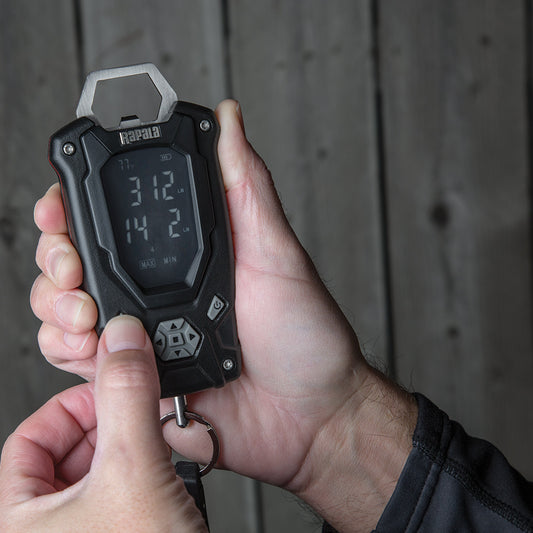
  • Fish-handling or measuring tool

Build the kit around the fishing you actually do.

Freshwater anglers may prioritize compact pliers and lighter cutting tools, while inshore and offshore anglers may need stronger cutters, larger pliers and tools suited to heavier hooks, leader and terminal tackle.

Frequently Asked Questions

What fishing tools should every angler carry?

A basic fishing tool kit should include pliers, a line-cutting tool and a way to remove hooks. Depending on how you fish, split-ring pliers, a multi-tool, fish grips, crimpers or measuring tools may also be useful.

What are fishing pliers used for?

Fishing pliers can be used for tasks such as removing hooks, working with terminal tackle, cutting line, changing split rings and bending wire. Exact functions vary by the design of the pliers.

What is the best tool for cutting braided fishing line?

A dedicated braid cutter or fishing scissors designed to grip and cut braided line is usually the best choice. Check the manufacturer's intended line types before choosing a tool.

Do I need special fishing tools for saltwater?

For repeated saltwater use, choose tools the manufacturer identifies as suitable for marine or saltwater conditions. Salt exposure can accelerate corrosion, so proper cleaning, drying and maintenance are also important.

Are fishing multi-tools a replacement for dedicated pliers and cutters?

Not always. Multi-tools are convenient for several quick tasks, but dedicated pliers or cutters may provide better leverage, reach or cutting performance for specialized jobs.