Collection: Fishing Line

Shop braided, monofilament, fluorocarbon and leader line for freshwater, inshore, surf and offshore fishing.

Choosing the Right Fishing Line

The right fishing line depends on the reel, target species, fishing technique and conditions.

Braided line provides high strength with a relatively small diameter and very little stretch. Monofilament offers useful stretch and straightforward handling, while fluorocarbon is commonly chosen for lower underwater visibility and abrasion resistance.

Start with the line type that matches your fishing, then choose the pound test and spool size that fit your reel and application.

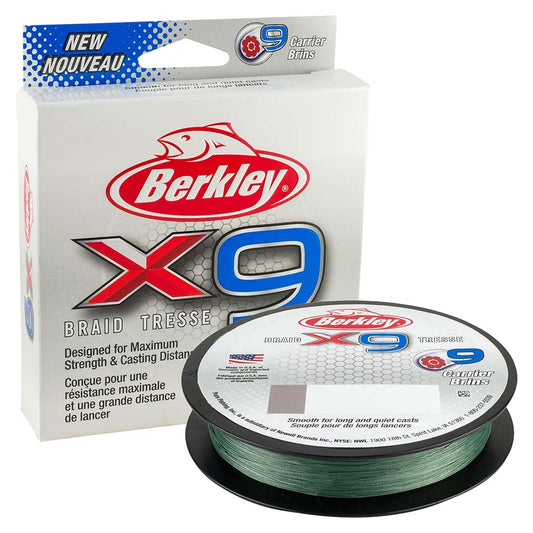
  • Berkley X9 braided fishing line spool

    Braided Line

    Thin diameter, low stretch and high sensitivity

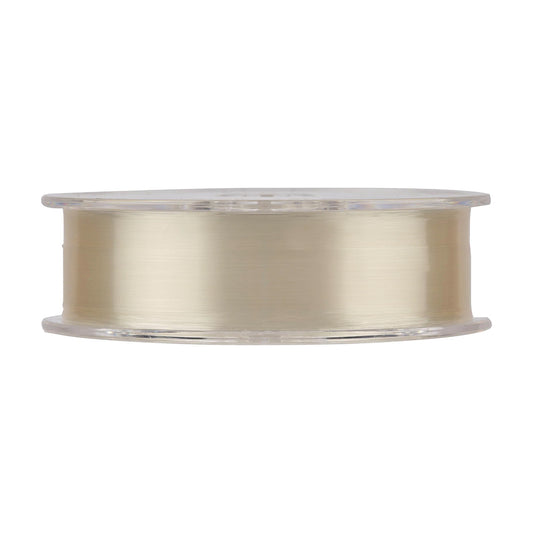
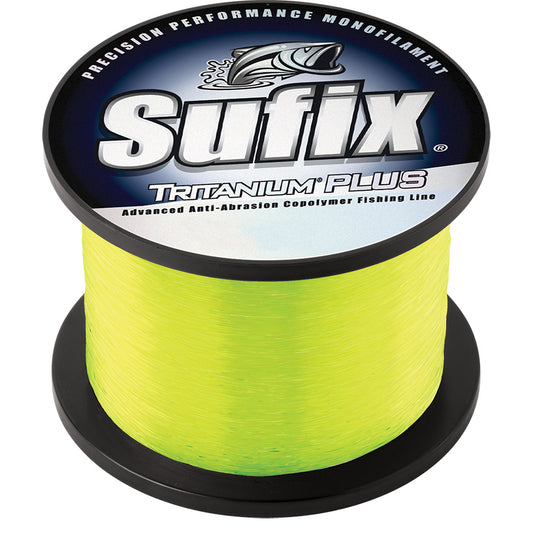
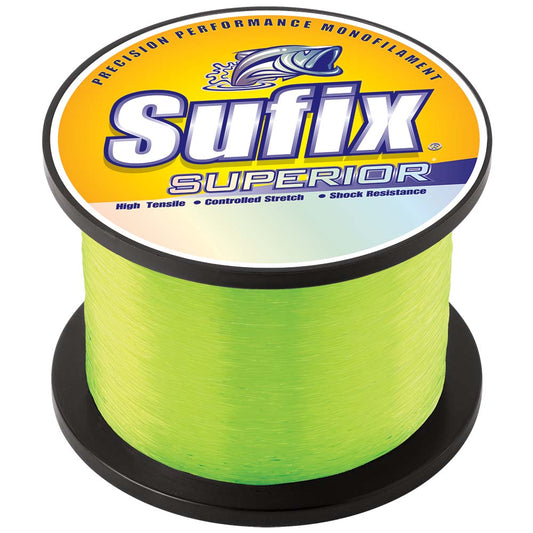
  • Sufix Superior monofilament fishing line spool

    Monofilament

    Versatile line with useful stretch and shock absorption

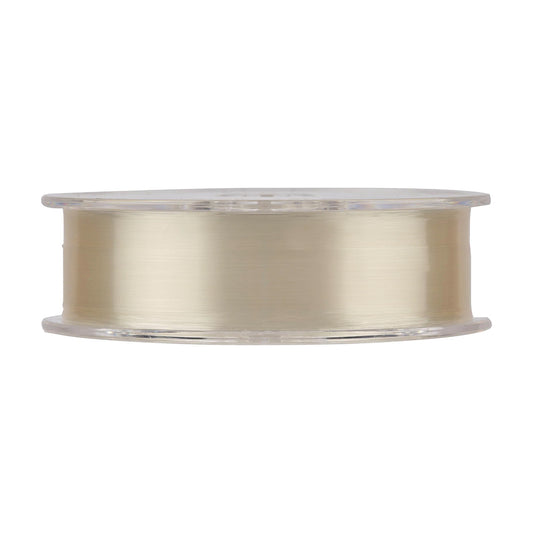
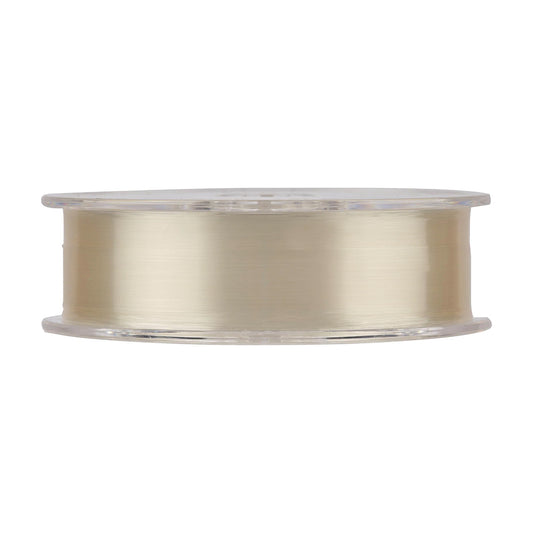
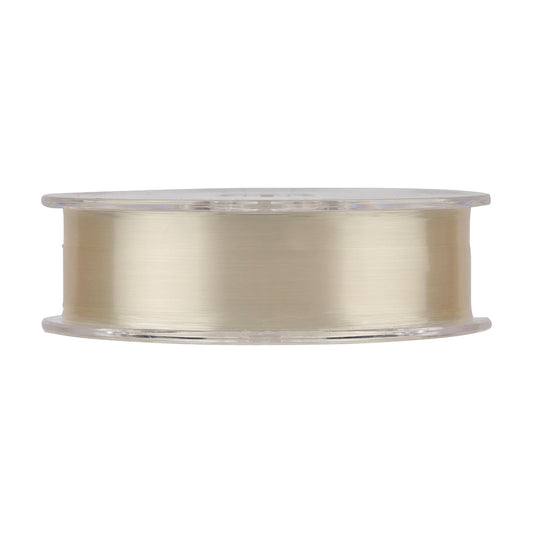
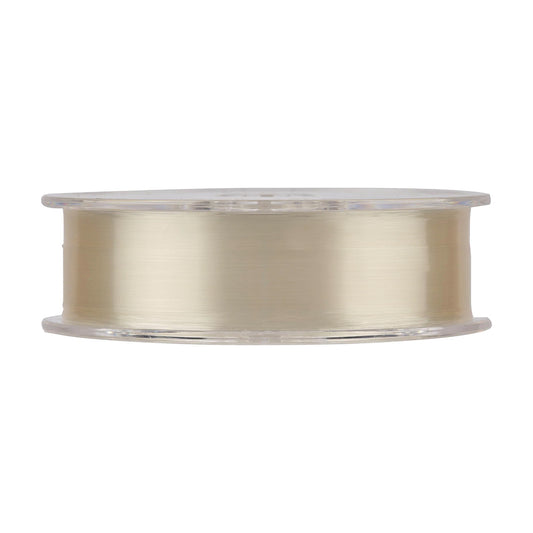
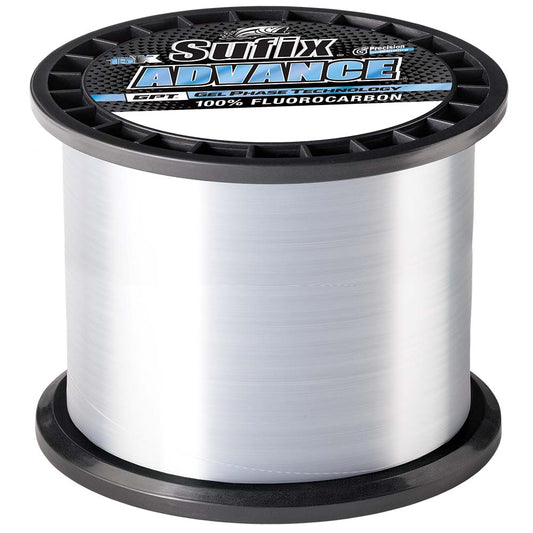
  • Sufix Advance Fluorocarbon – 4 lb – Clear – 200 yd
    Fluorocarbon

    Low-visibility line for leaders and specialized presentations

Buying Guide & FAQs

Braided Fishing Line

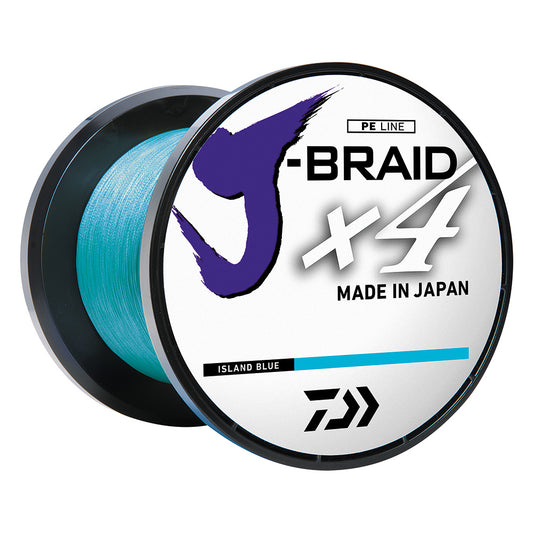
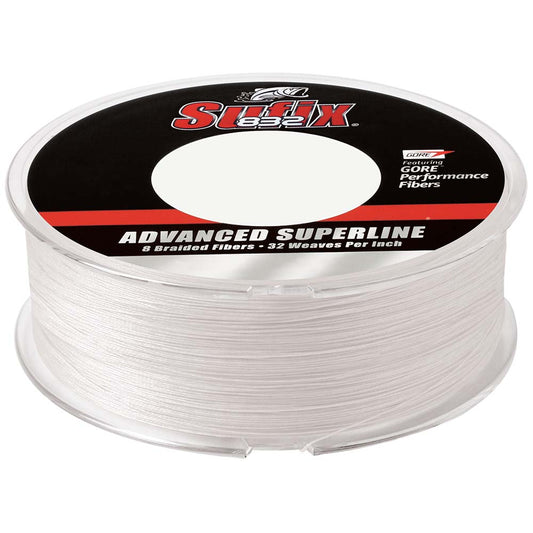
Braided fishing line provides high strength relative to its diameter and very little stretch.

That combination can improve sensitivity, increase direct contact with a lure or rig and allow more line to fit on the spool compared with thicker lines of similar breaking strength.

Braid is commonly used for spinning reels, baitcasters, jigging, bottom fishing, surf fishing and offshore applications. For casting setups, browse our baitcasting reels for freshwater, inshore and heavier-duty applications.

Because braid has minimal stretch, match the line carefully to the rod, drag setting and leader system you plan to use.

Monofilament Fishing Line

Monofilament remains a versatile option for both freshwater and saltwater fishing.

Its stretch can provide useful shock absorption during strikes and sudden runs, and many anglers appreciate its straightforward knot tying and handling characteristics.

Mono can be used for general-purpose fishing, bait fishing, trolling, topwater presentations and other situations where additional stretch may be useful.

Choose pound test and diameter based on reel capacity, target species and the fishing technique.

Fluorocarbon Fishing Line

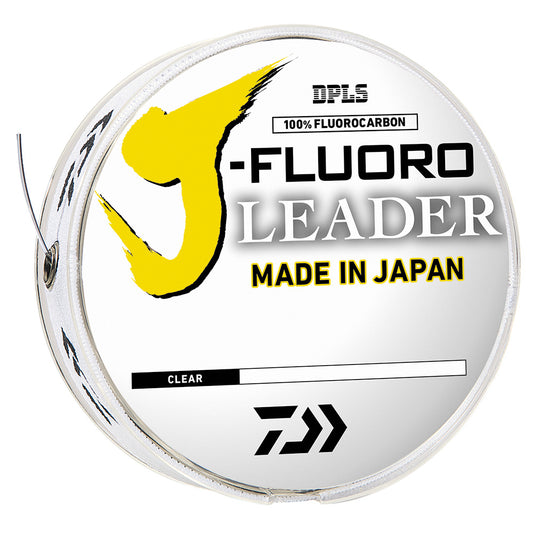
Fluorocarbon is commonly used when anglers want lower underwater visibility and good abrasion resistance.

It is especially popular as leader material for braid and can also be used as main line when the specific product is designed for that purpose.

Fluorocarbon can be useful in clear water, around structure and in presentations where line visibility near the lure or bait is a concern.

Always check whether the product is intended as leader material, main line or both before spooling a reel.

When to Use a Leader With Braid

Braided main line is often paired with a monofilament or fluorocarbon leader.

A leader can provide additional abrasion resistance, lower visibility near the lure or bait, or extra stretch compared with braid alone.

Fluorocarbon is often chosen when lower visibility and abrasion resistance are priorities, while monofilament can provide more stretch and shock absorption.

The correct leader material, strength and length depend on the target species, structure and fishing technique.

Saltwater Fishing Line

Saltwater fishing can place heavy demands on line through current, structure, drag pressure and powerful fish.

Inshore anglers often use braided main line with a mono or fluorocarbon leader for spinning and casting setups.

Trolling, bottom fishing, jigging and offshore fishing may require heavier line, larger spool capacity and line constructions suited to deeper water or larger gamefish.

Choose line strength and diameter based on the reel, rod, target species and fishing method rather than simply using the heaviest line available.

Choosing the Right Pound Test

Fishing line strength is usually expressed as pound test, but the right strength depends on more than the size of the fish.

Consider:

  • Rod rating
  • Reel capacity
  • Drag setting
  • Target species
  • Structure and cover
  • Lure, bait or sinker weight
  • Fishing technique
  • Water depth and current

Your rod, reel, main line and leader should work together as a balanced system.

Line that is unnecessarily heavy can reduce reel capacity and affect presentation, while line that is too light may not provide enough strength or abrasion resistance for the fishing conditions.

Check Reel Capacity Before Spooling

Before buying fishing line, check the line-capacity specifications for the exact reel you plan to spool.

Reels commonly list different capacities for monofilament and braided line because line diameter varies by construction and pound test.

Using the reel manufacturer's capacity information helps estimate how much line you need and prevents buying a spool that is too short or far larger than necessary.

Do not rely on pound test alone when comparing line capacity. Diameter can vary between line types and individual products. If you're building a new setup, browse our spinning reels for freshwater, inshore, surf and saltwater applications.

Metered & Offshore Fishing Line

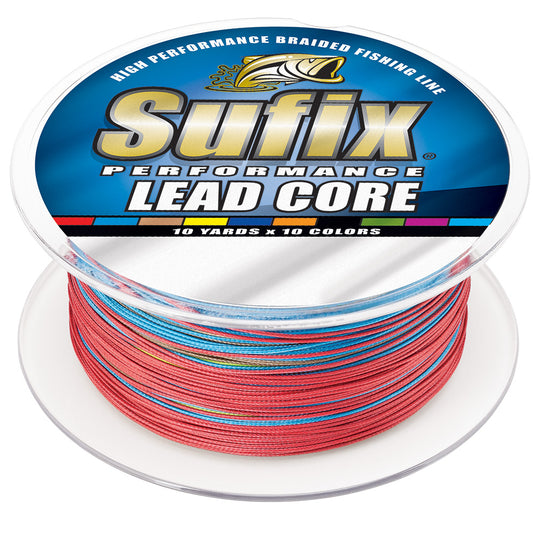
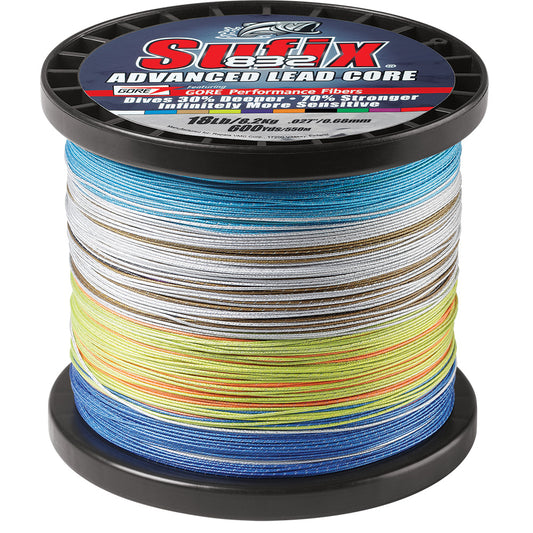
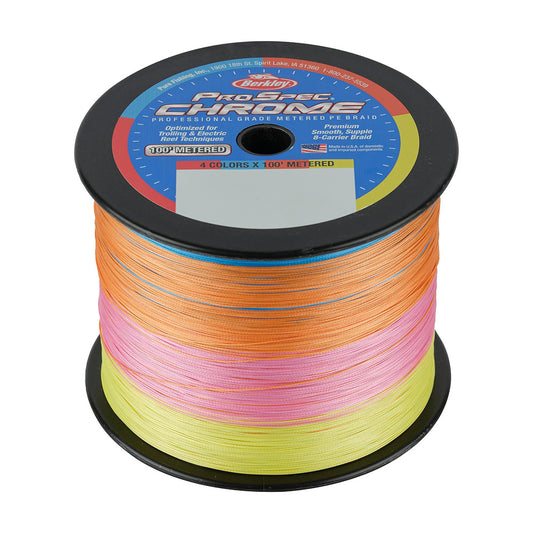
Some offshore and deep-water lines use repeating color changes or markings to help anglers estimate how much line has been deployed.

Metered line can be useful for jigging, deep dropping, trolling and other techniques where repeating a known amount of line can help reproduce a presentation.

The markings indicate line length rather than exact lure depth. Current, line angle, lure or sinker design, boat movement and trolling speed can all affect where the rig actually fishes in the water column.

Choose metered line based on the required pound test, spool capacity and the fishing technique. For trolling, jigging and heavier offshore setups, browse our conventional reels built for greater line capacity and saltwater applications.

Frequently Asked Questions

What type of fishing line is best?

There is no single best line for every situation. Braid offers high strength with low stretch, monofilament provides useful stretch and straightforward handling, and fluorocarbon is commonly used for low-visibility and abrasion-resistant applications.

Is braided fishing line better than monofilament?

Not in every situation. Braid provides a smaller diameter and much less stretch, while monofilament offers more stretch and shock absorption. Choose based on the reel, technique and fishing conditions.

What pound-test fishing line should I use?

Match the pound test to your rod, reel, target species, structure and fishing technique. Check the ratings of the complete setup rather than selecting line strength based only on fish size.

Should I use a leader with braided line?

Often, yes. Mono or fluorocarbon leaders can add abrasion resistance, lower visibility or additional stretch near the lure or bait. Whether a leader is needed depends on the fishing situation.

Can fluorocarbon be used as main line?

Some fluorocarbon products are designed for use as main line, while others are specifically leader material. Check the individual product description before spooling a reel.

What is metered fishing line?

Metered line changes color or uses markings at set intervals to help estimate how much line has been released. It is useful for techniques such as jigging, deep dropping and trolling, but the markings do not represent exact fishing depth.